How Kava Is Prepared and Enjoyed
From ground root and water to a shared shell — how kava is made the traditional way, what it tastes like, and how it's enjoyed today.
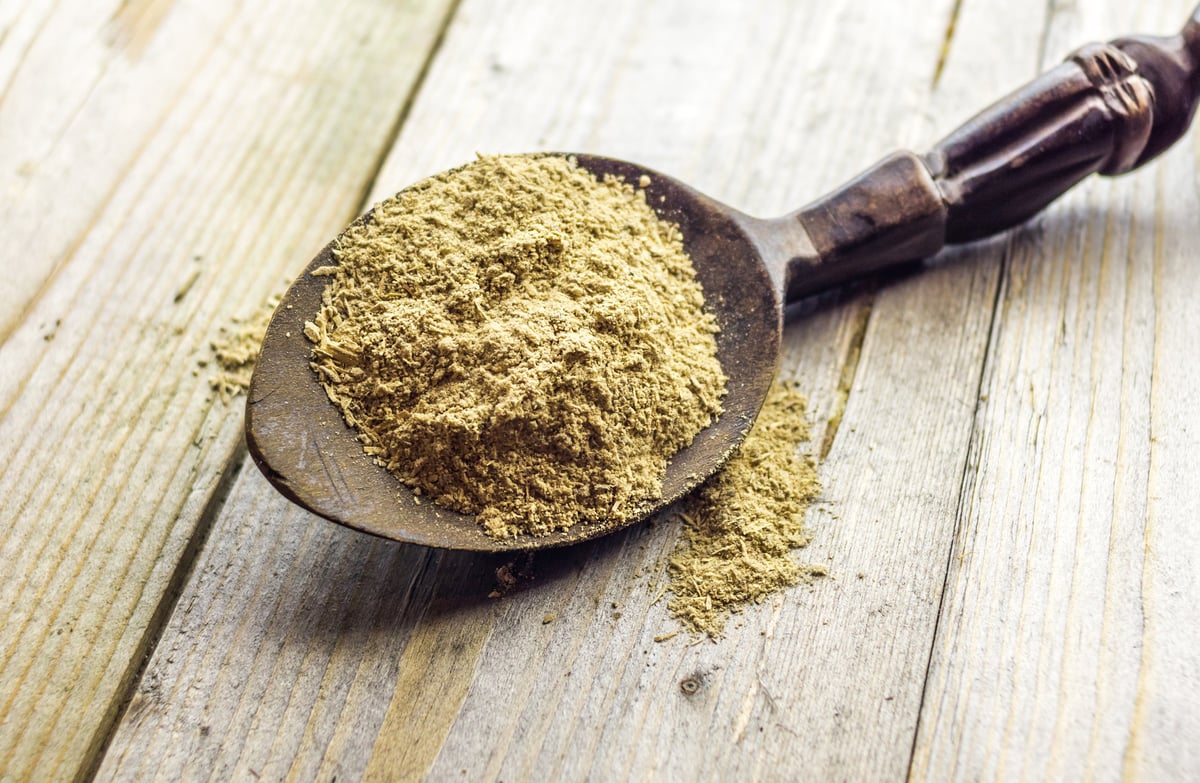
Kava has been shared in the Pacific Islands for centuries, and the way it's prepared has stayed remarkably consistent. Traditionally, kava is prepared by mixing the ground root with water and straining the mixture to create an earthy, herbal beverage.
If you're new to kava altogether, it's worth starting with the basics. Our guide, What Is Kava?, covers where the plant comes from and what to expect from the experience.
From Root to Shell
Kava begins with the root of the Piper methysticum plant. The root is harvested, cleaned, dried, and ground into a powder or coarse material. From there, it's combined with water and worked until the compounds in the root are released into the liquid.
The mixture is then strained to remove the solid material, leaving behind a smooth, earthy beverage. It's served in small portions — traditionally in a coconut shell cup, which is where the term "shell" comes from.
Traditional kava uses only the root and water. There are no spirits, no additives, and no alcohol — just a plant, water, and a long-held tradition of preparation.
What Does Kava Taste Like?
Kava has a distinctive flavor. It's often described as earthy, peppery, and sometimes slightly bitter. Because it's made from the root of the plant, it doesn't taste like tea or coffee — it has a character all its own.
Many first-time drinkers also notice a mild tingling or numbing sensation on the tongue and lips. That sensation is normal and part of the traditional kava experience. Some people enjoy the flavor right away, while others take a few shells to get used to it.
How Kava Is Traditionally Enjoyed
Kava is traditionally associated with relaxation and communal gatherings. It has long been shared during social occasions, ceremonies, and important community events — a way of welcoming guests and bringing people together.
Kava is usually consumed in small amounts over time rather than all at once. Sharing a shell is social by design: you sit, you talk, you take your time. The drink is often about the company as much as the cup.
Its active compounds, called kavalactones, affect the nervous system. Individual experiences vary, and kava is not without health risks — so it's always best to start slowly and listen to your body.
Kava in Modern Social Settings
Today, kava has found a place in modern social settings around the world. Kava bars bring this traditional beverage into contemporary lounges where people can enjoy a drink, spend time with friends, and experience something different from conventional nightlife.
These spaces keep the spirit of the tradition intact — gathering, conversation, and hospitality — while adapting it for a new audience. Instead of alcohol at the center of the experience, kava offers a calmer, more intentional way to socialize.
A kava bar isn't just a place to order a drink. It's a place to gather — a modern take on a tradition built around community.
Experience Traditional Kava at Bula Bar
If you'd like to try kava the traditional way, Bula Bar in Olympia, Washington serves it fresh and prepared with care. Come in, take a seat, and enjoy a shell at your own pace in a space built for connection.
Our team is always happy to answer questions and walk you through your first kava experience. There's no rush — the whole point is to slow down and enjoy it.
Bula!
Try Traditional Kava at Bula Bar
Visit us in Olympia, Washington for your first shell — prepared the traditional way, in a space built for connection.
Keep Reading
What Is Kava? What Is a Kava Bar? Discover Olympia's Go-To Kava Bar What Is a Kava Bar? Why Is Bula Bar Olympia's Go-To Kava Bar?Note: Kava is not intended to diagnose, treat, cure, or prevent any disease. Kava may interact with alcohol, sedatives, and some medications. Please consume responsibly and consult a healthcare professional with any concerns.