Why Kava Bars Are Growing Across the United States
As more Americans reconsider their relationship with alcohol, kava bars are becoming a more visible part of the country's social scene.
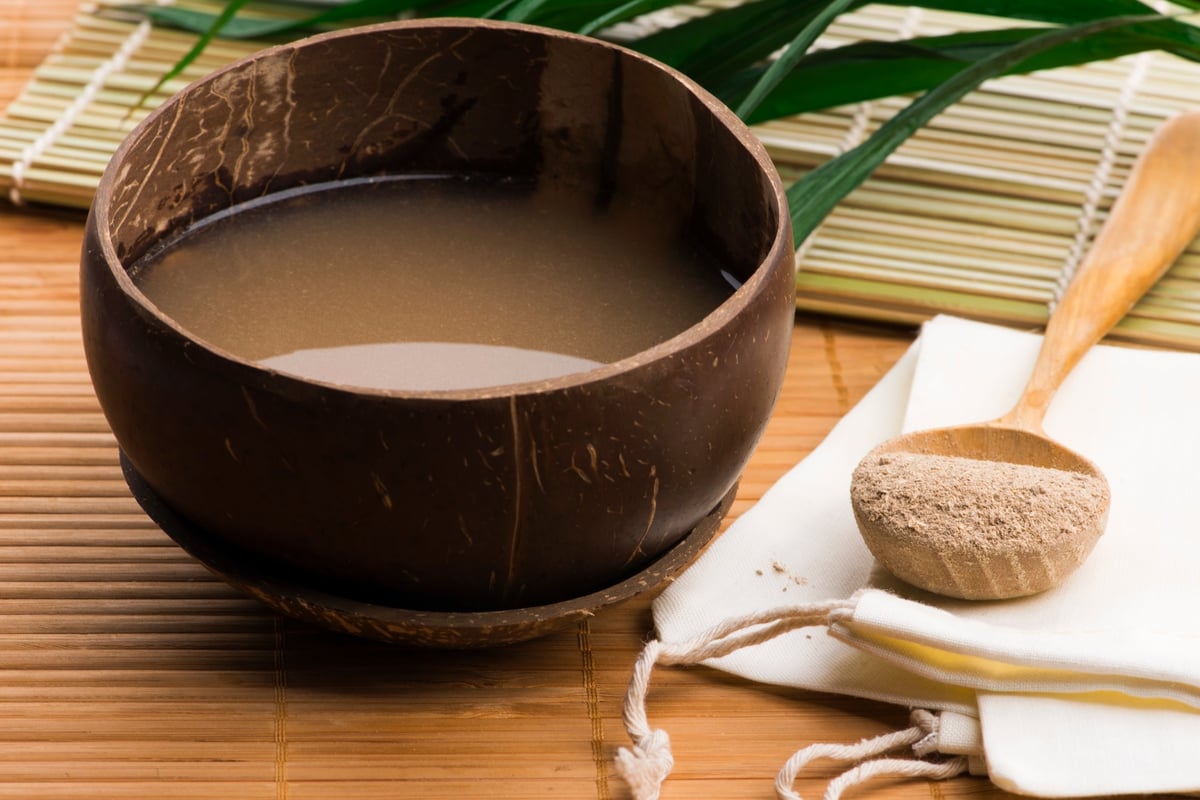
Kava is a traditional beverage made from the roots of Piper methysticum, a plant native to the Pacific Islands. In traditional settings, kava has long been consumed during social, cultural, political and ceremonial gatherings. In the United States, it is increasingly being served in dedicated lounges that combine elements of a café, community center and late-night bar.
Unlike a conventional bar, a kava bar does not have to revolve around alcohol. Guests may visit to talk with friends, meet new people, play games, attend events or simply relax in a social environment.
This concept fits naturally with the growing "sober-curious" movement. Sober curiosity does not necessarily require someone to stop drinking permanently. Instead, it encourages people to think more intentionally about when, why and how much alcohol they consume.
Reporting from Florida in 2025 found that kava bars were attracting customers who wanted to reduce or eliminate their alcohol consumption while maintaining a social nightlife experience. Customers described using kava bars as places where they could connect with others without the pressure to order alcohol.
National lifestyle coverage has similarly described kava bars as an emerging alcohol-free option in American cities. Although kava has deep Pacific Island roots, the American kava-bar model often combines traditional shells with modern offerings such as flavored drinks, teas, mocktails, coffee and community events.
That growth also creates an important responsibility for businesses. Kava should not be treated as merely another trendy mocktail ingredient. Responsible kava bars should educate customers about its cultural background, explain what they are serving and avoid making unsupported medical claims.
Customers should also understand that "alcohol-free" does not automatically mean that a beverage has no noticeable effects. Kava can cause relaxation, dizziness, digestive discomfort or other side effects in some people, and it may interact with medications or other substances.
The larger story is not simply that Americans have discovered a new drink. Kava bars are growing because many people want a different type of gathering place: somewhere between a coffee shop and a nightlife venue, where social connection does not have to depend on alcohol.
For customers seeking that experience, a responsibly operated kava bar can offer something that has often been missing from American nightlife—a welcoming place to slow down, connect and enjoy the evening without ordering a beer or cocktail.
Sources: CDC's Morbidity and Mortality Weekly Report; National Center for Complementary and Integrative Health; Food & Wine; WUFT.